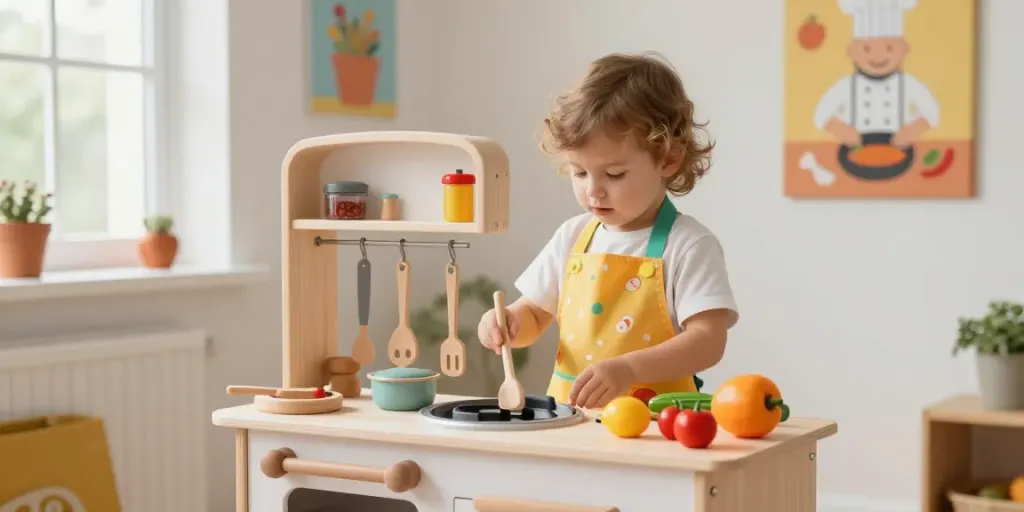
Understanding the Benefits of a Wooden Kitchen
Wooden kitchen sets are more than just toys; they are gateways to creative play, helping to foster essential life skills in children. These engaging playsets can stimulate imagination and provide a safe space for kids to explore their culinary interests. As children engage in pretend play with a wooden kitchen, they develop not only creativity but also problem-solving and fine motor skills. When exploring options, wooden kitchen sets offer a multitude of benefits that make them a popular choice among parents and educators alike.
Why Choose Wooden Kitchen Sets for Children?
Choosing wooden kitchen sets for children has numerous advantages. Firstly, they are durably crafted from solid wood, ensuring that they endure energetic play over years. Unlike plastic counterparts, wooden kitchens exude warmth and authenticity, enhancing the aesthetic of any playroom or nursery. Additionally, they often inspire imaginative scenarios where children can mimic real-life cooking experiences, assisting in role-playing, which is crucial for cognitive growth.
Eco-Friendly Materials and Their Importance
In an era where sustainability is paramount, wooden kitchen sets are typically made from eco-friendly materials. Wood is a renewable resource and is biodegradable, unlike many plastics which can persist in landfills for centuries. By investing in a wooden kitchen, parents are making an environmentally conscious choice that promotes sustainability while teaching children the importance of eco-friendly products.
Developmental Benefits of Play Kitchens
Play kitchens serve as an educational tool that encourages various aspects of child development. These sets improve fine motor skills as children manipulate kitchen utensils and accessories. Furthermore, children learn basic mathematics through measuring ingredients and counting utensils. Social skills are also enhanced as they engage in cooperative play with peers, sharing tasks, and fostering teamwork.
Key Features to Look for in a Wooden Kitchen
When selecting a wooden kitchen set, understanding its key features can ensure it meets both play and educational needs. From the type of materials used to safety standards, here are essential considerations.
Types of Wood Used in Kitchen Sets
Quality wooden kitchens are often constructed using various types of wood, each offering unique qualities. Common woods include pine, birch, and rubberwood. Pine is lightweight yet strong, making it suitable for children's play. Birch is known for its beautiful finish and durability, while rubberwood is an eco-friendly option that is both sturdy and resistant to warping.
Essential Accessories for a Complete Kitchen Experience
A complete kitchen set often goes beyond just the stove and sink. Accessories such as pots, pans, utensils, and play food can enhance the play experience significantly. Look for sets that include these items to provide a more immersive cooking scenario, allowing children to engage in realistic play that nurtures creativity.
Safety Standards and Certifications
Safety is paramount when it comes to children’s toys. Always check for safety certifications such as EN71, which ensures products meet European safety standards. Non-toxic finishes and rounded edges are also crucial features to ensure that wooden kitchens are safe for children of all ages.
Creative Ways to Enhance Playtime with Wooden Kitchens
Enhancing playtime with wooden kitchens can take many forms. Here are some innovative ideas to expand the play experience and keep children engaged.
Incorporating Role-Play Scenarios for Learning
Role-playing is an essential aspect of childhood play. Parents can create scenarios that allow children to act out shopping for groceries, hosting a dinner party, or preparing meals for family members. These scenarios can boost creativity while teaching valuable social skills and the importance of cooperation.
DIY Additions to Personalise Your Wooden Kitchen
Personalising a wooden kitchen can make it even more special. Simple DIY projects, such as creating custom spice jars with labels, adding a chalkboard for writing menus, or painting personalised artwork, can transform a standard play kitchen into a unique masterpiece that reflects the child’s personality.
Organising Kitchen Accessories for Engaged Play
Keeping a wooden kitchen organised can enhance the play experience. Using storage solutions such as baskets or shelves can help children learn to clean up after themselves, promoting responsibility. Moreover, well-organised accessories make play more enjoyable, as children can easily access the items they need for their culinary adventures.
Maintaining Your Wooden Kitchen for Longevity
To ensure that wooden kitchens last for years, proper maintenance and care are crucial. This section outlines essential practices for maintaining these beloved toys.
Cleaning and Caring for Wooden Surfaces
Wooden kitchens require regular cleaning to maintain their charm. Use a damp cloth with mild soap to wipe surfaces, avoiding harsh chemicals that could damage the finish. Regular checks for loose screws or parts can also help to maintain the integrity of the kitchen, ensuring safe playtime.
Repairing Common Wear and Tear
Despite their durability, wooden kitchens may experience minor wear and tear over time. Small scratches can be fixed with touch-up paint or by sanding down the area lightly. For chipped edges, wooden filler can be used to restore the kitchen’s appearance, keeping it looking fresh and new.
Storage Tips for a Tidy Play Area
When not in use, storing the wooden kitchen properly can prevent damage and keep the play area tidy. Encourage children to put away their accessories and ensure the kitchen is clear. Consider using furniture covers to protect the kitchen when it's not in use, especially if it's placed in an outdoor play area.
Future Trends in Wooden Kitchen Sets for Kids
The world of play kitchens is constantly evolving. Here are some predicted trends for wooden kitchen sets in the coming years.
Innovative Designs to Look Out for in 2026
In 2026, we can expect to see more innovative designs in wooden kitchens that incorporate multifunctional aspects. From kitchens that offer chef stations to those with built-in technology for interactive learning, manufacturers are likely to expand the traditional play kitchen concept.
The Rise of Personalised Play Experiences
As customization becomes more popular, many brands may offer options for personalised wooden kitchens. From colour choices to custom engravings, these personal touches can make wooden kitchens a cherished family heirloom, enhancing their sentimental value.
Combining Technology with Traditional Play
Future wooden kitchens may also integrate technology, such as sound effects or interactive cooking apps that guide children through recipes. By marrying traditional play elements with modern technology, children can enjoy a richer and more educational play experience.
How Long Does a Wooden Kitchen Last?
A well-maintained wooden kitchen can last for many years, often outliving childhood to become a part of family memories. With proper care, these kitchens can be passed down through generations, providing joy and nostalgia for years to come.
Are Wooden Kitchens Suitable for All Ages?
Wooden kitchens are typically designed for children aged three and above. However, some designs cater to younger children, providing lower platforms and larger accessories to ensure safety and inclusivity. It’s essential for parents to choose a kitchen that suits their child's age and developmental stage.
What Makes a Good Quality Wooden Kitchen?
A good quality wooden kitchen should be sturdy, free of sharp edges, and made from non-toxic materials. The finish should be smooth, and the overall design should encourage imaginative play. Additionally, it should come with a range of accessories that stimulate creativity and learning.
How to Encourage Imaginative Play with Kitchen Toys?
To encourage imaginative play, parents can participate in cooking role-plays, ask open-ended questions about what children are making, and introduce new play scenarios regularly. Providing a variety of accessories can also inspire children to create new recipes and cooking adventures.
What Accessories Enhance the Wooden Kitchen Experience?
Accessories that enhance the wooden kitchen experience include realistic food items, kitchen tools like spatulas and whisks, and even pretend appliances such as blenders and microwaves. Sets that provide a variety of items can keep the play stimulating and exciting.